

What is the port of discharge on a sea shipment?
Definition, benefits, procedures. This is how DACHSER & KOLB manages your Port of Discharge efficiently, customs-compliantly and with cost transparency.
Price Calculator

- Locations
- Volume
- See price
Where are you moving from and to?
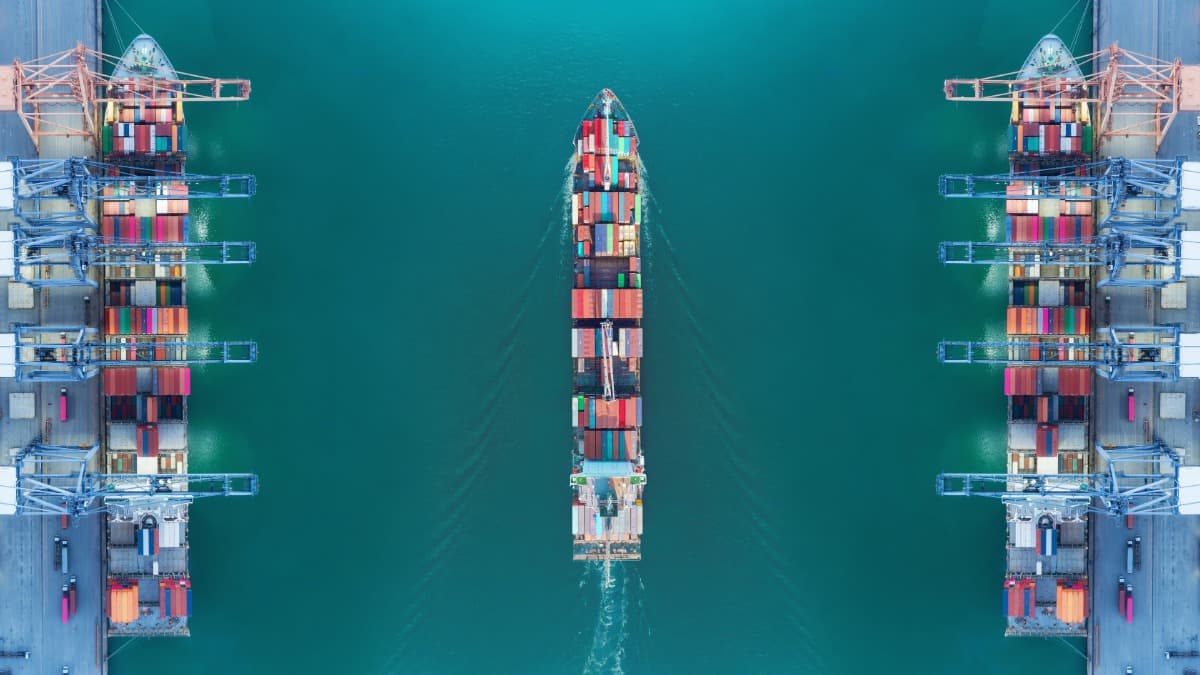
What is the POD – Port of Discharge and what benefits does it offer?
The POD – Port of Discharge – is the port where the ISO container is unloaded from sea freight. Here the sea transport chain ends and customs clearance including possible customs inspection begins. At the Port of Discharge the handover to inland transport, interim storage or direct delivery takes place.
Result: predictable transport time, reduced terminal handling charges, clear documentation and a smooth transition to the last mile.
Relevant variants: FCL (Full Container Load), LCL (Less than Container Load).
Relevant documents: Bill of Lading, if applicable Air-Waybill (AWB).
Benefits of the POD - Port of Discharge

last‑mile cost drivers
Smart POD selection reduces truck kilometres and THCs.

Faster customs throughput
Complete documents reduce inspection rates and dwell times.

Quality & safety
Seal checks, damage documentation, insurance‑worthy evidence.

Scalable services
From LCL/FCL to interim storage and on-demand assembly service.

Transparency by design
Digital status updates up to proof of delivery for clear customer expectations.

How does DACHSER & KOLB support at the POD?
We take over end-to-end control, minimize dwell times and ensure compliance.
- 1
Customs & compliance:
Incoterms check, document review (Bill of Lading, AWB), handling special cases (e.g. Swiss customs), ETA/ETD monitoring.
- 2
Secure unloading
Inspection of container seal, pre-shipment damage report, professional furniture packaging, load securing during the move.
- 3
Transport design
Selection of the optimal POD port to reduce last-mile costs, planning suitable container sizes, FCL/LCL routing with the carrier.
- 4
Documentation & proof
Digital status updates up to proof of delivery (POD), tamper-evident archiving.
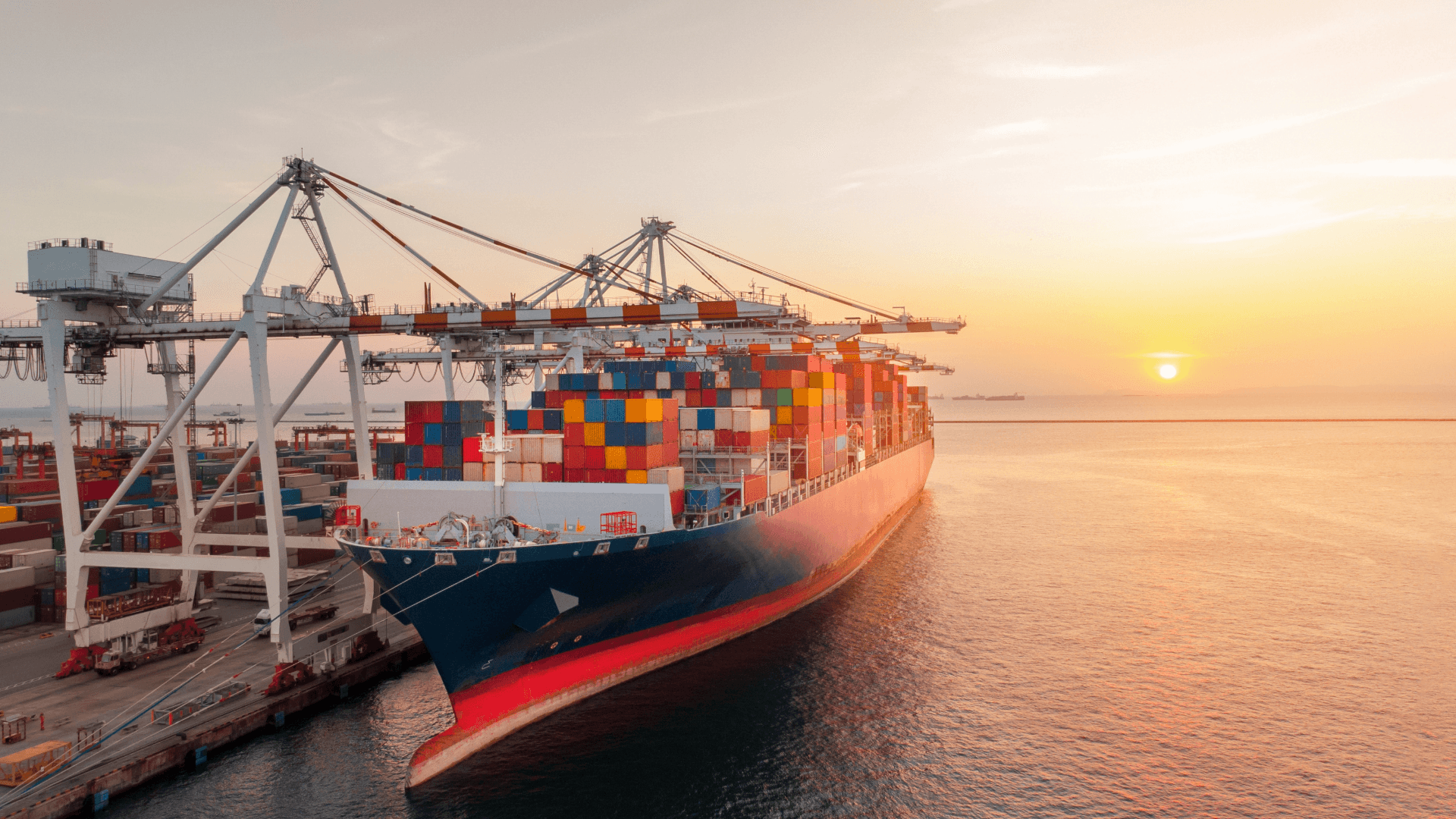
What do you need to consider as a customer? – These are the details we need from you.
With these inputs you accelerate release and delivery.
- Household goods inventory including volumetric weight, packing information; for Packed by Owner (PBO) clear declaration.
- Transport documents: Bill of Lading, packing list, if applicable airline ticket for entry.
- Destination address, moving addresses, contact persons for final delivery or interim storage.
- Loading/delivery address so we can determine departure/arrival port in a cost-optimal way.
FAQs about the POD – Port of Discharge
Difference POD vs. POE – Port of Entry?+
POD = port of discharge for sea freight. POE = customs import port. They can be identical but do not have to be.
How does the POD affect my total costs?+
Via THCs, demurrage, customs clearance duration and length of the last mile. Choosing the right POD reduces total cost.
FCL or LCL for an international move?+
FCL for predictable, larger volumes. LCL for smaller shipments. Decision based on volume, ETA and budget.
Which documents are mandatory at the POD?+
Bill of Lading, packing list, for air freight AWB, additional customs documents depending on the destination country.
What happens in case of customs inspection/accident?+
We coordinate the appointment, opening, documentation, re-sealing and re-delivery. Goal: minimal delay.
Which additional services are possible after the POD?+
Store furniture, kitchen assembly, cleaning service, disposal, shuttle service, packing materials.
Contact us for a non-binding consultation!
Your port of discharge under control: DACHSER & KOLB coordinates customs, container unloading and onward transport – fast, secure, transparent. Contact us for a non-binding consultation.
We are here for you
We couldn't answer your questions?
Then do not hesitate to contact us.

Why DACHSER & KOLB is the right choice

Moving advice
Tell us what you are moving and which services you need. We can use these details to prepare your quotation.

Move planning
Agree the packing, collection and delivery arrangements with your moving team before moving day.

International coordination
For a move abroad, your contact can coordinate the collection and delivery arrangements with the partners involved.
Discover our moving guides – your roadmap to a smooth move!
In our extensive collection of moving guides you'll find valuable tips and answers to your questions. This way you are well prepared! If anything remains unclear, we are always happy to assist you.

Household Move
A private move always represents a new beginning. To ensure that you can look forward to the time in your new home in a relaxed manner right from the start, we will gladly take care of everything around your household move and, if necessary, also temporarily store your furniture in our warehouses. Our service is professional, friendly, competent and based on many years of experience.

International Move
Have you been bitten by the travel bug and would like to emigrate? Then you have come to the right place and your belongings are in the best of hands. For many years there has been nothing we would rather do than organize international removals across continents. Whether by ship, by plane or over land.

Piano transport & grand piano relocation
A piano or grand piano is not only a valuable instrument, but also an emotional companion that often lasts for generations. The thought of damaging such a delicate and valuable piece during a move worries many people. This is exactly where DACHSER & KOLB’s professional piano transport service comes in. In this blog article, you will learn how to protect your instrument properly and what advantages come with hiring an experienced moving company.