
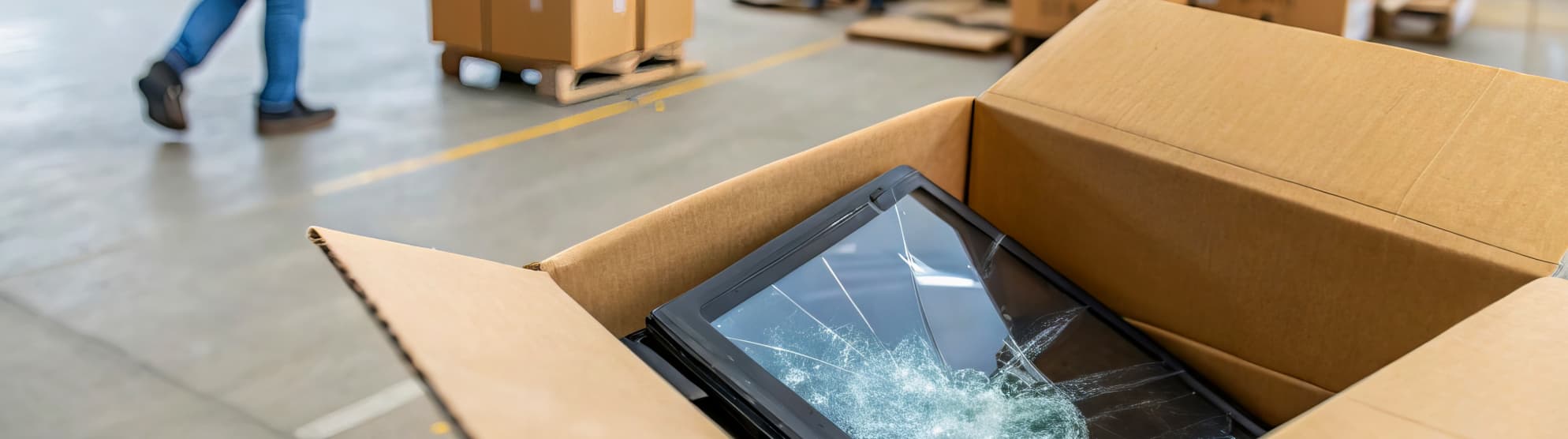
How to report loss or damage after a move
If something is missing or arrives damaged, record what you found and contact your mover promptly. A clear report helps the team identify the item and review what happened.
Price Calculator

- Locations
- Volume
- See price
Where are you moving from and to?

What happened and where?
A report about damage to a table needs different information from a report about a mark on a stairwell. Identify what was affected, the collection or delivery address, and when you first noticed the problem. For missing goods, identify the carton or item on the inventory.
If you spot damage during delivery, ask the crew to describe it on the proof of delivery. Keep your own copy and send the report to your move contact promptly. If the issue concerns a rented property, also tell the person responsible for the property.
Carrier liability and transport insurance
Your moving agreement and the law applicable to your move govern the carrier’s liability. A separate transport insurance policy has its own covered risks, limits, deductibles and reporting requirements.
Check which parties require notification. If you have a policy, send the insurer or broker the information it requests as well as notifying your mover. Ask for written confirmation that your report was received.
Information that helps establish value
Describe the item, including its age, make or model and its condition before the move. An invoice, dated photograph or repair estimate can help the reviewer assess the loss. Tell them if you no longer have the original receipt.
The value used for the assessment depends on the applicable liability or insurance terms. Keep evidence of purchase price separate from any estimate of the present value, repair cost or replacement cost.
Disclose special items and packing arrangements
Tell the moving team before booking about cash, jewellery, documents, artwork and items that need specialist handling. Ask which goods it will accept and whether values must be declared individually.
Who packed an item and how it was packed may matter to the assessment. If you packed the box yourself, identify it as packed by owner and describe how the contents were protected.
Before collection and at delivery
Photograph existing marks on furniture and keep a numbered list of cartons. Give the packing team any handling instructions for fragile items in writing. Keep important documents and any agreed personal valuables with you.
At delivery, check the package count against the inventory. Where a carton looks crushed or wet, photograph it before opening if practical and make a specific note on the delivery record.
Items that need a discussion before packing
Identify delicate instruments, artworks, collections and items with a high individual value in advance. Describe how each will be packed and transported, ask what evidence of value is required, and obtain the agreed arrangements in writing.
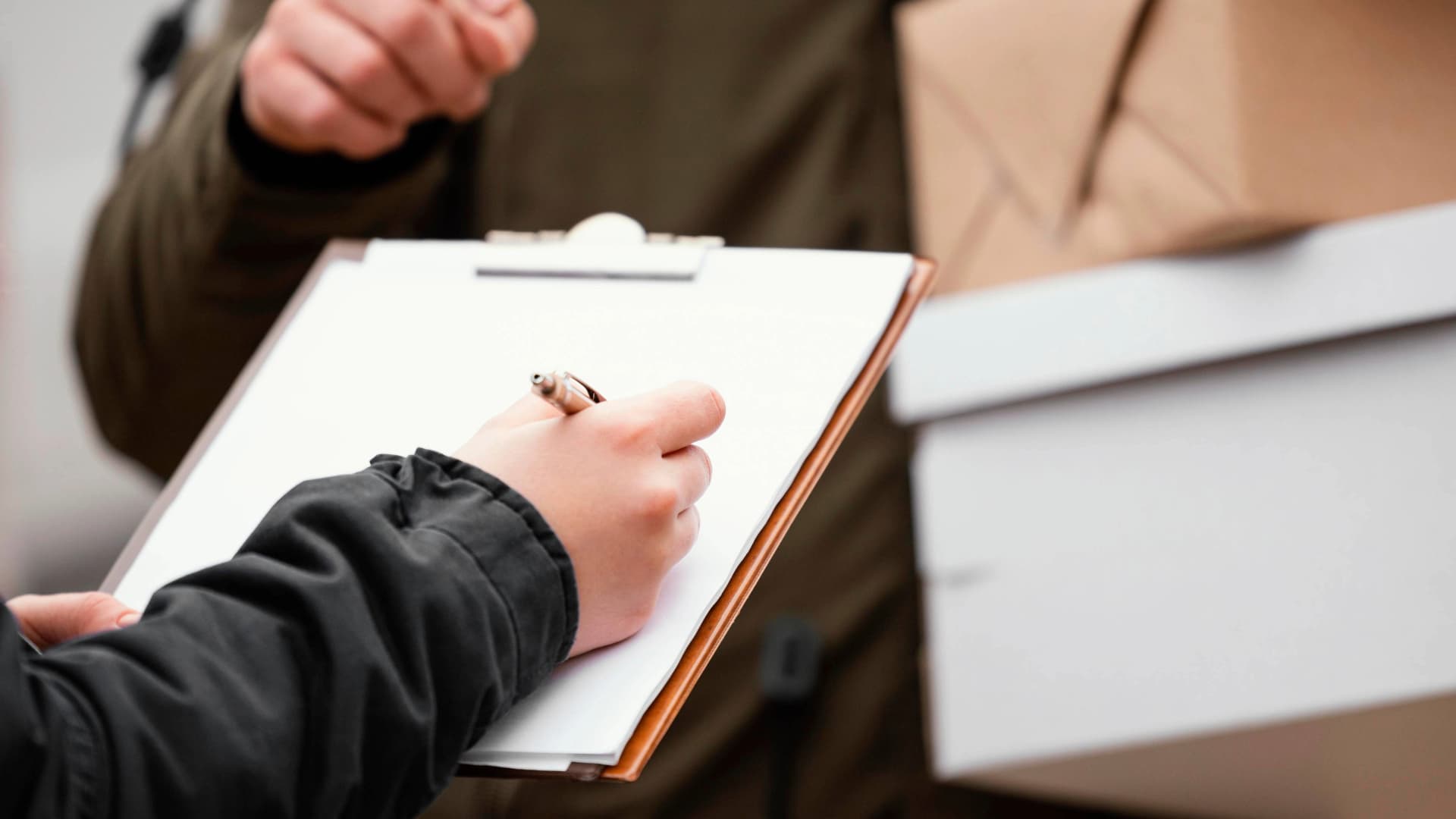
What to include in a damage report
Send your booking number, contact details, collection and delivery dates, the inventory item or carton number and a short account of what you found. Take one photograph of the whole item, a close-up of the damage and, where relevant, photographs of the box and packing material.
Keep the damaged goods and packaging available for inspection. Ask before authorising repairs or disposing of anything unless immediate action is necessary for safety. If urgent steps are needed to prevent further damage, record what you did and keep the receipts.
How a moving damage report is reviewed
Your move contact can direct the report to the team handling the assessment. Keep the case reference with the moving documents.
- 1
Notify the team
Report the loss or damage promptly in writing and request acknowledgement. Send an initial report even if some documents will follow.
- 2
Provide the records
Share the inventory, delivery paperwork and photographs. The reviewer may request purchase or repair evidence or arrange an inspection.
- 3
Review the circumstances
The handling team checks the facts against the applicable contract and, where relevant, the insurance terms. Answer follow-up questions using the case reference.
- 4
Confirm the outcome
Ask for the decision in writing, including how any amount was assessed and what the next step will be if you have further evidence.
Questions about claims after a move
Whom should I notify first?+
Tell the crew about visible damage at handover and notify your move coordinator promptly in writing. If an insurer is involved, follow its separate notification instructions too.
Which documents should I send?+
Start with the move reference, inventory entry, delivery record, a description of the issue and photographs. Send receipts or estimates when available.
What if I discover damage after unpacking?+
Record when you opened the box and first noticed the damage. Keep the packaging and contact the mover promptly. Ask which notification time limits apply to your contract and route.
How long does a review take?+
Timing depends on the evidence available and whether an inspection, repair estimate or insurer review is needed. Ask your case handler when to expect the next update.
Who pays for repairs?+
The handling team assesses whether the loss falls within the applicable liability or insurance terms. Ask for instructions before commissioning a repair or accepting a settlement.
How is the condition of an older item assessed?+
Photographs from before the move, purchase records and details of repairs may help establish its age and condition. The basis of valuation depends on the terms that apply.
What if a box is missing rather than damaged?+
Provide its inventory number, description and last known handover point. Record the shortage on the delivery note if it is apparent and ask the coordinator to trace the missing package.
Contact us about a moving damage report
Have your booking or case reference ready and identify the item or address affected. Let the coordinator know if you are waiting for instructions about an inspection or repair.
Speak to your move coordinator
Tell us which stage of the move you have reached and include your booking reference if you have one.

Planning your household move

Keep one case file
Store the inventory, move documents and correspondence together so you can refer to the same details throughout the review.

Record each item separately
Link each photo and estimate to the relevant inventory or carton number.

Follow up in writing
Include your case reference when you send further photographs, receipts or a revised estimate.
Related moving services
Find practical information about household moves, international relocations and transporting a piano.

Household Move
A private move always represents a new beginning. To ensure that you can look forward to the time in your new home in a relaxed manner right from the start, we will gladly take care of everything around your household move and, if necessary, also temporarily store your furniture in our warehouses. Our service is professional, friendly, competent and based on many years of experience.

International Move
Have you been bitten by the travel bug and would like to emigrate? Then you have come to the right place and your belongings are in the best of hands. For many years there has been nothing we would rather do than organize international removals across continents. Whether by ship, by plane or over land.

Piano transport & grand piano relocation
A piano or grand piano is not only a valuable instrument, but also an emotional companion that often lasts for generations. The thought of damaging such a delicate and valuable piece during a move worries many people. This is exactly where DACHSER & KOLB’s professional piano transport service comes in. In this blog article, you will learn how to protect your instrument properly and what advantages come with hiring an experienced moving company.